

 See My Latest Article on HelloNation
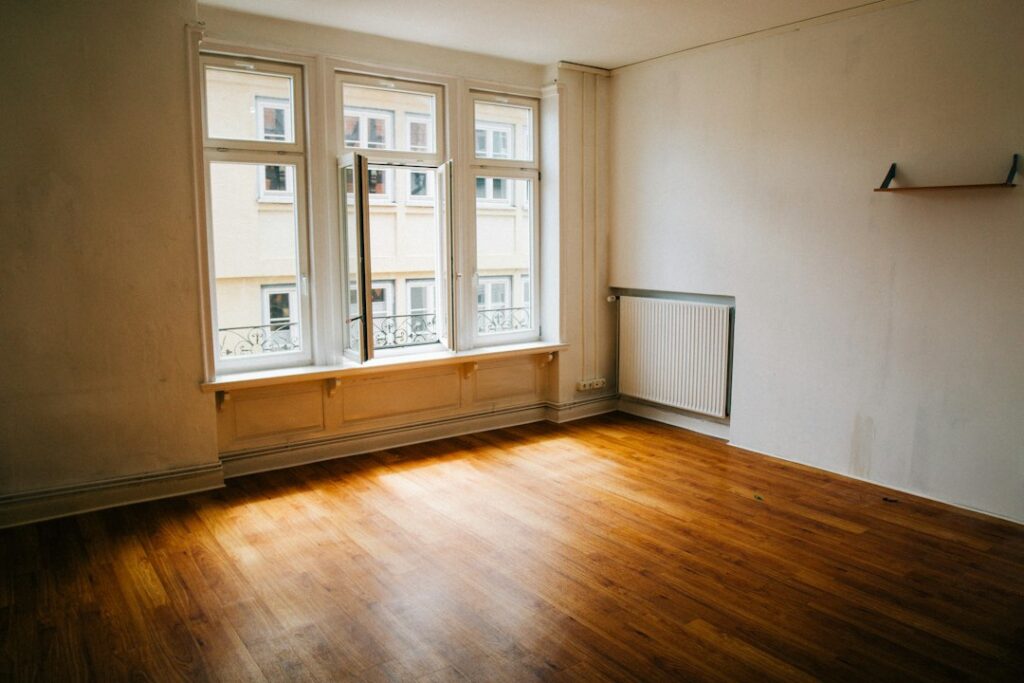
Rental property inspections serve two different purposes: meeting local compliance requirements and finding maintenance problems before they become expensive or unsafe. For most rental homes, a formal inspection should occur at least once a year, with shorter periodic check-ins throughout the year based on the property’s age, condition, occupancy, and risk factors.
How often should a rental property be inspected?
A practical schedule is:
- Formal compliance inspection: At least annually, or as required for the property’s rental registration and Certificate of Compliance.
- Routine property check: About every three to six months when allowed by the lease and proper notice.
- Seasonal inspection: Before winter and again after winter whenever the property has known weather-related risks.
- Move-in and move-out inspection: At the beginning and end of every tenancy.
- Immediate inspection: After a serious complaint, water leak, fire, pest report, heating failure, suspected unsafe condition, or other emergency.
The correct frequency is not determined by the calendar alone. A newer, well-maintained property may need fewer routine visits than an older home with aging plumbing, a basement, exterior stairs, or a history of moisture problems.
What does Detroit require for rental inspections?
Detroit requires most rental properties to be registered and inspected so the housing meets minimum health and safety standards. The city’s Buildings, Safety Engineering, and Environmental Department, commonly known as BSEED, is responsible for rental property inspections and compliance enforcement.
BSEED’s rental inspection process generally reviews conditions such as:
- Structural components, roofs, porches, stairs, windows, doors, and foundations
- Smoke detectors, safe exits, fire safety, and ventilation
- Electrical wiring, outlets, lighting, and overloaded circuits
- Plumbing fixtures, water supply, leaks, drainage, and water heater safety
- Heating equipment, chimneys, ductwork, and required clearances
- Mold, vermin, refuse, overcrowding, exterior hazards, and property maintenance
The city states that rental properties must be inspected at least once a year. A complaint, visible deterioration, or an emergency condition may lead to an additional inspection outside the regular schedule.
A passing inspection does not mean the property can be ignored until the next annual visit. Owners remain responsible for maintaining safe conditions between inspections, and a serious violation discovered later can require correction or reinspection.
Is an annual inspection enough?
Annual compliance inspections are a legal baseline, not always a complete maintenance plan. A yearly visit may be insufficient for an older rental property, a home with multiple occupants, or a building exposed to repeated moisture, freezing temperatures, or heavy use.
Routine inspections every three to six months can help identify:
- Small plumbing leaks beneath sinks or near appliances
- Water staining, condensation, or early mold growth
- Damaged flooring, handrails, steps, or exterior walkways
- Failing caulk around tubs, showers, windows, and doors
- Blocked vents or unsafe storage near heating equipment
- Evidence of pests, unauthorized occupants, or neglected housekeeping
- Broken locks, damaged screens, or windows that do not operate safely
These visits should be limited to legitimate property-maintenance purposes. They should not become a way to monitor a resident’s personal life or repeatedly enter the home without proper notice.
What should be inspected before winter?
In Detroit, winter conditions make a pre-season inspection especially useful. Freezing temperatures, snow, ice, and extended heating use can expose weaknesses that are less obvious during warmer months.
Before winter, check:
- Furnace operation, filters, vents, and thermostat performance
- Pipes in basements, crawlspaces, garages, and other cold areas
- Roof surfaces, flashing, gutters, and downspouts
- Weather stripping around exterior doors and windows
- Handrails, stairs, sidewalks, and exterior lighting
- Smoke and carbon monoxide alarms
- Basement dampness, sump equipment, and signs of past flooding
- Exterior water shutoffs and areas where snow or ice may accumulate

After winter, inspect for freeze damage, roof leaks, foundation seepage, broken branches, damaged fencing, deteriorated steps, and water entering around basement windows.
When should a landlord inspect between scheduled visits?
Some conditions justify an inspection right away rather than waiting for the next routine visit. Examples include a report of no heat during cold weather, an active leak, sewage backup, electrical sparking, suspected gas exposure, fire damage, or a ceiling that appears unstable.
A bed bug report also requires prompt attention. Local housing rules require an inspection by a licensed pest management professional before a rental is leased, and suspected infestations must be addressed within specific time limits after notice.
An inspection may also be appropriate after a resident reports recurring problems that were previously repaired. Repeated plumbing backups, moisture damage, pest activity, or heating failures can indicate a larger building problem rather than an isolated repair.
How much notice is required before entering?
Residents generally should receive advance notice before a non-emergency inspection, according to the lease and applicable Michigan law. The notice should explain the date, approximate time, and reason for entry.
Emergency entry may be justified when waiting could result in injury, serious property damage, or an unsafe condition, such as an active flood, fire, suspected gas leak, or loss of heat during dangerous weather.
A useful inspection process is predictable and respectful:
1. Provide written notice within the required time.
2. Explain what areas or systems will be reviewed.
3. Arrive within the stated time window.
4. Avoid unnecessary photographs of personal belongings.
5. Document property conditions accurately.
6. Share repair-related findings and expected next steps.
7. Return for reinspection when a safety issue or code violation requires verification.
Residents should not be expected to clean or rearrange personal belongings to conceal ordinary wear. The purpose of an inspection is to evaluate the home’s condition, not to judge the household.
What is the difference between an inspection and a repair visit?
A repair visit addresses a reported or known problem, such as a leaking faucet or broken appliance. An inspection is broader and reviews the condition of multiple systems, even if no single repair has been requested.
Both types of entry should still be handled with notice and consideration for the resident. A repair visit should not automatically expand into an unrelated inspection unless the resident has been informed or an emergency condition is discovered.
Do move-in and move-out inspections matter?
Yes. Move-in and move-out inspections create a written record of the property’s condition and can reduce disagreements about damage, maintenance, and security deposits.
A thorough checklist should identify:
- Walls, ceilings, floors, doors, windows, and trim
- Appliances and plumbing fixtures
- Heating and cooling equipment
- Smoke and carbon monoxide alarms
- Cabinets, countertops, and bathroom surfaces
- Basements, garages, yards, porches, and storage areas
- Existing stains, cracks, holes, broken items, or water damage
Photographs should be dated and tied to specific rooms or checklist entries. Ordinary wear from normal use should be distinguished from damage caused by misuse or neglect.
What should residents do if an inspection reveals a problem?
Residents should receive clear information about what needs attention, whether the issue affects health or safety, and when repairs are expected. Conditions involving heat, water, electricity, structural safety, sewage, pests, or possible lead hazards should be treated as higher priority.
Residents can help by reporting leaks, damaged steps, broken alarms, unusual odors, pest activity, and heating problems as soon as they appear. Early notice often allows a repair before a small defect becomes a larger building or safety issue.
For rental housing in Detroit, the city also provides complaint and compliance channels for conditions that remain unresolved. Keeping copies of written repair requests, inspection notices, photographs, and responses can help create a clear record of the problem.