

 See My Latest Article on HelloNation
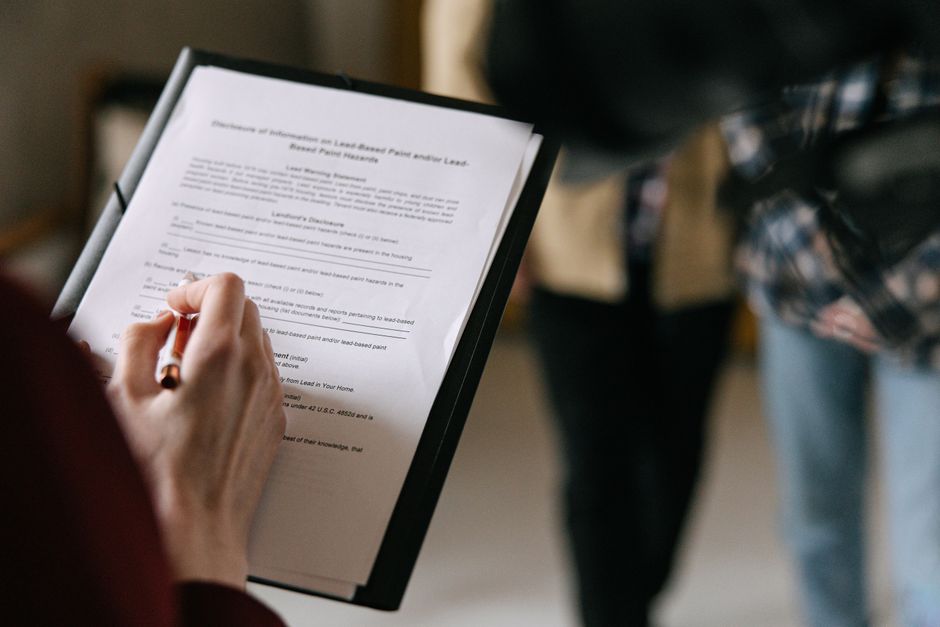
What Is a Rental Lease Agreement?
A rental lease agreement is a legally binding contract outlining the terms under which a tenant rents a property from a landlord. In Detroit, MI, having a thorough lease sets clear expectations and helps both parties avoid costly misunderstandings or disputes. The lease agreement must comply with Michigan state law as well as specific city ordinances.
What Details Must Be Included for the Lease to Be Legal in Detroit, MI?
A valid lease agreement should always include some basic details to stand up in case of a disagreement. The agreement must clearly identify:
- The names and signatures of all tenants and the property owner or manager
- The full address of the rental unit, including apartment number if relevant
- The lease start and end dates (for fixed-term leases), or a statement that the lease is month-to-month
- The amount of monthly rent, when it’s due, and how it should be paid
- The security deposit amount and the conditions for its return (note: Detroit residents are protected under Michigan’s security deposit law, which limits the maximum deposit and dictates specific return timelines)
These elements make a lease enforceable and help prevent surprises throughout the rental period.
What Terms Should Always Be Clarified to Avoid Disagreements?
While every rental situation is unique, some common topics should always be addressed. Clear language reduces the risk of conflicts down the road:
- Who is responsible for paying utilities (gas, electric, water, internet, etc.)
- Rules on subletting or adding additional occupants
- Handling repairs: what the landlord will fix, typical tenant responsibilities, and how to report issues
- Maintenance expectations, like lawn care or snow removal—a key issue in Detroit’s snowy winters
- Pet policies, including types, sizes, and deposits or fees if pets are allowed
- Parking arrangements if on-site parking is available
Spell out these terms to create shared understanding and help both sides plan accordingly.
How Are Security Deposits and Fees Regulated Locally?
In Detroit, rental security deposits are governed by state law, but local enforcement is strict. The law limits deposits to one and a half months’ rent. It also requires landlords to provide a written inventory checklist for the unit’s condition on move-in and move-out, and to return any remaining deposit within 30 days after the tenant leaves, minus documented damages.
Residents are often surprised that so-called "non-refundable" fees—like cleaning or pet fees—cannot replace or supplement the capped security deposit. Always look for these items in the agreement and ask for clarification when fees seem unusual.
When Should Late Fees, Grace Periods, and Rent Increases Be Addressed?
Rent payment details are a top concern for both parties. Leases should specify:
- Due date for monthly rent
- Any grace period (the number of days after the due date before a late fee is charged)
- Amount and structure of any late fee (note: excessive late fees could be challenged in housing court)
- Notice required and rules for increasing rent, especially in longer-term or month-to-month leases
In the city, rent control does not currently exist, but Michigan law requires fair notice (usually 30 days) for any rent increase on month-to-month leases.
What Rights and Responsibilities Should Be Included?
A lease should outline the basic rights and obligations of both tenants and property owners, based on state law and local expectation. Key rights for renters include:
- Right to a habitable dwelling: The property must remain safe and livable throughout the lease term
- Privacy protections: Landlords must give proper notice (typically 24 hours) before entering a unit, except in emergencies
- Procedures for repairs and addressing code violations, reflecting the city’s focus on health and safety standards in housing
The agreement should also state tenants’ responsibilities, like keeping the property clean and notifying the landlord of issues promptly.
Are There Rules for Which Clauses Cannot Be Included?
Some provisions are never allowed, even if both parties agree in writing. Examples:
- Waiving the tenant’s legal right to basic habitability or essential services (heat, hot water, working locks)
- Prohibiting access to local code enforcement agencies or retaliating against tenants for complaints
- Requiring tenants to pay for all repairs, regardless of fault
- Any indemnity clause that would violate Michigan’s landlord-tenant statutes
If a lease contains clauses that contradict Michigan law or Detroit housing ordinances, those clauses are not enforceable.
What Additional Policies Might Be Useful in a Detroit Lease?
Depending on the neighborhood, building age, or unit type, some locally relevant addenda are helpful:
- Lead-based paint disclosure for properties built before 1978, which is legally required due to common older housing stock in the area
- Window and storm door maintenance, due to winter weather
- Specific trash removal schedules, since city pickup days vary by neighborhood
- Instructions for handling frozen pipes, as Detroit winters bring subfreezing temperatures
Agreements tailored to community customs and local climate can prevent headaches for both sides.
How Can Residents Make Sure Their Lease Is Fair and Complete?
Before signing, review the lease carefully and never feel pressured to agree on the spot. Take time to:
- Check that all blank spaces are filled in and each page is initialed or signed
- Read for any unusual clauses or fees
- Ask questions or request clarifications, using Michigan tenant resources or local housing groups
In Detroit, both renters and property owners benefit from transparent, complete agreements that follow local rules and reflect everyday realities. A well-crafted lease is often the best protection for stable, peaceful renting.