

 See My Latest Article on HelloNation
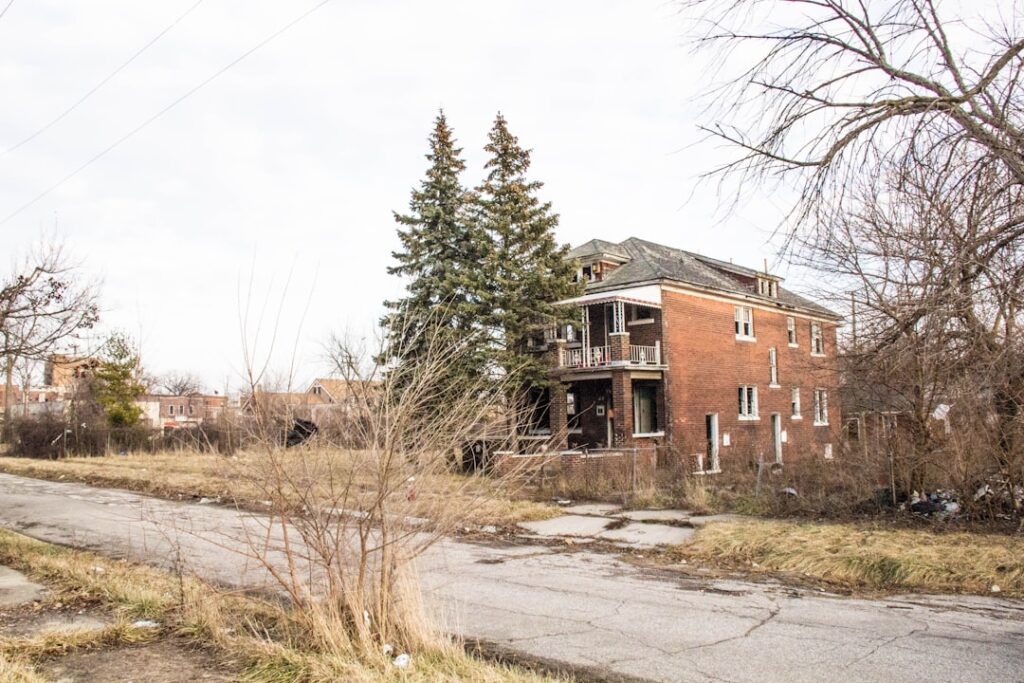
Renting out your first property in Detroit, MI, can be an exciting way to build wealth, diversify your investments, and participate in the city’s revival. Whether you’ve inherited a home, purchased an investment property, or are moving in with family and want to rent out your residence, knowing the right steps is crucial to making the process smooth and successful. Here’s a comprehensive, Detroit-centric guide to help you get started the right way.
Understand Your Legal Responsibilities
Detroit’s unique blend of historic homes and modern apartments brings with it various state and local regulations for landlords. Before listing your property:
- Register with the City of Detroit: Landlords must register rental properties with the city and obtain a Certificate of Compliance from the Buildings, Safety Engineering, and Environmental Department (BSEED).
- Learn Michigan landlord-tenant laws: Become familiar with security deposit regulations, eviction procedures, and fair housing rules.
- Get insured: Consider a landlord insurance policy to cover potential property damage and liability.
Prepare Your Property for the Detroit Market
Detroit renters are looking for homes that balance character with comfort. Make your property attractive:
- Perform repairs and upgrades: Address any deferred maintenance, focusing on functional plumbing, heating, and electrical systems—crucial for Detroit's diverse weather.
- Enhance curb appeal: In neighborhoods like Rosedale Park or West Village, tidy yards and well-painted exteriors make a great first impression.
- Install safety features: Proper lighting, secure locks, and working smoke/carbon monoxide detectors boost safety and appeal.
Determine the Right Rental Price
Setting the right rent is part art, part science.
- Research comparable properties: Check local listings on sites like Zillow, Craigslist, or Detroit-based real estate pages to get a realistic range.
- Factor in Detroit trends: Prices can vary significantly between areas like Midtown and East English Village. Consider proximity to amenities like public transit, parks, and schools.
- Don’t forget costs: Factor in property taxes, utilities, maintenance, and management fees if applicable.
Create a Landlord-Ready Lease Agreement
Your lease is a legally binding contract. In Detroit, leases must comply with Michigan law and local ordinances.
- Include all essentials: Specify rent amount, due date, security deposit terms, pet policy, maintenance responsibilities, and rules for common spaces if you’re leasing a multi-family home.
- Work with a professional: Template leases abound online, but Detroit’s specific requirements mean it’s wise to have a real estate attorney review your agreement.
Market Your Property Effectively
Detroit’s rental market is competitive, and standing out is key.
- Use high-quality photos: Highlight Detroit-specific features like big porches, historic woodwork, or proximity to neighborhood destinations.
- List widely: Post on major rental sites, Detroit-focused Facebook groups, and community bulletins.
- Tell a story: Mention if your property is walking distance to the Detroit Riverwalk, nearby local cafes, or close to major employers like the medical center.
Screen Tenants Carefully
Tenant selection is perhaps the most important part of successful landlording.
- Conduct background and credit checks: Use reputable tenant screening services to verify credit, rental history, and criminal records.
- Request references: Speak with employers and previous landlords for insights.
- Follow fair housing laws: Ensure your process complies with both Michigan and Federal anti-discrimination standards.
Prepare for Move-In Day

A smooth transition builds goodwill with your tenant and sets a positive tone.
- Deep clean the property: Consider hiring professional cleaners for a fresh start.
- Create a move-in inspection checklist: Walk through with the tenant to document the condition, noting any pre-existing damage.
- Exchange keys and collect the first month’s rent and security deposit: Provide receipts for all transactions.
Manage the Property Proactively
Being a responsive landlord is vital to success in Detroit’s close-knit neighborhoods.
- Handle repairs quickly: Detroiters appreciate landlords who address repairs promptly, especially during cold winters.
- Maintain good communication: Set clear expectations for reaching you and keep lines open in case of emergencies.
- Stay compliant: Remember to renew your Certificate of Compliance and schedule timely city inspections.
Know When to Seek Help
There’s no shame in leveraging professionals as you adjust to the landlord role:
- Hire a property manager: If you have limited time or live outside Detroit, a local property manager can handle day-to-day issues and tenant relations.
- Consult legal professionals: If complex issues arise, a Detroit-based attorney can help you navigate local regulations.
Embrace the Detroit Community
Successful rental properties contribute to Detroit’s sense of community.
- Promote neighborhood connections: Encourage tenants to get involved in neighborhood associations, block clubs, or local events.
- Be proactive against blight: Well-maintained rentals keep Detroit neighborhoods thriving and help property values for everyone.
Final Thoughts
Renting out your first property in Detroit is a big step, but with careful preparation and a local mindset, you can enjoy the rewards of real estate ownership. By following these steps, you’ll be well on your way to becoming a trusted landlord who contributes positively to Detroit’s ongoing renaissance.
Whether it’s ensuring compliance with city ordinances, upgrading your classic Detroit brick home, or making your tenants feel at home, success comes from preparation and understanding the unique character of the Motor City.