

 See My Latest Article on HelloNation
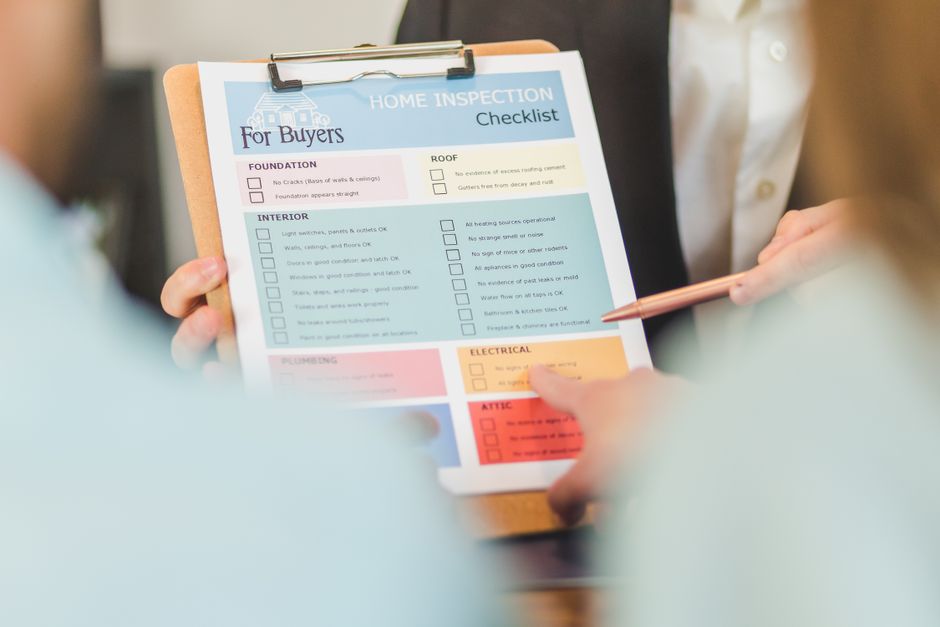
A thorough move-in and move-out process helps landlords document the property’s condition, identify maintenance concerns, and reduce disagreements about security deposits. The most useful checklist is completed at both ends of the tenancy, using the same rooms, fixtures, and standards for comparison.
What should a landlord do before a tenant moves in?
Before handing over the keys, the landlord should confirm that the rental is safe, clean, functional, and ready for occupancy. A written condition report, supported by dated photographs, creates a reliable record before the tenant’s belongings cover floors, walls, appliances, and fixtures.
Basic move-in inspection
Walk through the entire property, including areas that are easy to overlook:
- Walls, ceilings, trim, doors, and floors
- Windows, screens, locks, and weather sealing
- Cabinets, countertops, sinks, toilets, tubs, and showers
- Appliances provided with the rental
- Heating equipment, thermostats, vents, and radiators
- Electrical outlets, switches, light fixtures, and cover plates
- Smoke detectors and carbon monoxide detectors
- Stairways, handrails, porches, decks, and basement areas
- Storage spaces, laundry areas, garages, and exterior access points
- Signs of water intrusion, mold-like growth, pests, or sewage problems
Record existing conditions precisely. “Damaged wall” is less useful than “two-inch hole beside the bedroom door.” Note stains, chipped paint, worn flooring, loose hardware, cracked glass, missing screens, and appliance defects even when they appear minor.
Why are photographs and written records important?
Photographs help show what existed before the tenancy began, but they work best when paired with a written inventory. Take wide photographs that establish the room and closer images that show the condition of specific items.
A strong record should include:
- The date of the inspection
- The address and unit designation
- A room-by-room description
- Meter readings, if relevant
- The condition of included appliances and furnishings
- The number of keys, remotes, or access devices provided
- Signatures or written acknowledgment from both parties
The tenant should receive a copy and have an opportunity to report an omission or disagreement. Under Michigan law, tenants generally complete and return an inventory checklist within seven days after taking possession when a security deposit is involved. A landlord should preserve the original checklist, photographs, repair records, and communications together.
What safety items should be checked in Detroit, MI?
A move-in checklist should not be limited to appearance. Rental housing must also meet applicable health and safety requirements. Local rental inspections commonly address working utilities, heating, plumbing, electrical safety, locks, windows, egress, detectors, sanitation, and protection from rain or snow.
Before occupancy, verify that:
- Heat can maintain a safe indoor temperature during cold weather.
- Water is available, with functioning hot and cold supplies.
- Toilets, sinks, tubs, showers, and drains operate without leaks.
- Electrical outlets and switches have secure cover plates and no exposed wiring.
- Entry doors lock properly, and windows designed to open can be secured.
- Smoke and carbon monoxide detectors are installed and working.
- Sleeping rooms and other habitable areas have usable emergency exits.
- Roofs, walls, gutters, and downspouts do not allow water or snow to enter.
- The property is free of active pest infestation and serious sanitation problems.
Seasonal conditions deserve particular attention. Freeze-thaw cycles can expose plumbing weaknesses, while heavy rain can reveal roof, basement, gutter, or grading problems. A move-in inspection is a good time to document any condition that requires follow-up rather than treating it as ordinary wear.
What should a landlord do when a tenant moves out?
The move-out process should use the original inventory as a comparison rather than starting from a new set of expectations. Schedule the inspection after the tenant has removed personal property and returned possession, unless the lease or a separate written agreement provides another lawful arrangement.
During the final inspection:
- Confirm that all keys, remotes, and access devices have been returned.
- Photograph every room from similar angles used at move-in.
- Check floors, walls, ceilings, doors, windows, and built-in features.
- Test appliances and plumbing fixtures.
- Look for broken items, missing hardware, unauthorized alterations, and abandoned property.
- Inspect basements, porches, garages, storage areas, and exterior features.
- Record utility or meter information when needed.
- Note cleaning conditions separately from physical damage.
The landlord should avoid judging ordinary wear as tenant damage. Minor nail holes, gradual carpet wear, faded paint, and normal deterioration from reasonable use may differ from excessive stains, broken doors, large holes, missing fixtures, or damage caused by negligence.
How should ordinary wear and tear be distinguished from damage?
Ordinary wear is the gradual change expected from normal use. Damage is deterioration that is unusual, excessive, intentional, negligent, or connected to a tenant’s failure to care for the property.
Examples of likely ordinary wear include:
- Light scuffing from normal foot traffic
- Faded paint from age or sunlight
- Carpet wear in commonly used paths
- Loose hardware caused by ordinary use
- Small numbers of picture-hanging holes, depending on the lease
Examples that may require further review include:
- Large holes in walls or doors
- Broken windows or doors
- Burn marks, deep gouges, or extensive stains
- Missing appliances, fixtures, or hardware
- Unapproved painting or construction
- Extensive trash or belongings left behind
- Pest conditions connected to housekeeping or tenant conduct
Age matters. A landlord generally should not charge a tenant the full replacement cost of an old item that had little useful life remaining. Repair estimates should be reasonable, documented, and connected to the actual condition observed.
What are Michigan’s security-deposit deadlines?
Michigan law generally limits a residential security deposit to one and one-half months’ rent. Within 30 days after the tenancy ends, the landlord must return the deposit or send a notice of damages containing an itemized list, estimated repair costs, and the amount being claimed. The tenant then has a limited period to respond to the notice.
A landlord should also maintain accurate records of the deposit, provide required notices at the beginning of the tenancy, and use the tenant’s forwarding address for required communications. Because mistakes in notice language or deadlines can affect deposit rights, the current statute should be reviewed for the specific situation.
A deposit should not be used for conditions already documented on the beginning inventory. This is one reason a detailed move-in report matters: it separates pre-existing conditions from changes that occurred during occupancy.
What records should be retained after move-out?
Keep the signed move-in checklist, final inspection report, dated photographs, repair invoices, written estimates, receipts, tenant notices, and deposit accounting. Records should identify the date, location, condition, and cost connected to each claimed item.
If a repair serves both maintenance and replacement purposes, explain the calculation rather than listing a vague lump sum. Clear documentation is more useful than an unsupported deduction and helps both parties understand how the final accounting was reached.
For rental homes in Detroit, consistent documentation also supports broader property-maintenance responsibilities. A checklist is not a substitute for required registration, inspection, certificates, permits, or code compliance, but it can help reveal problems before they become more serious.
A practical two-part checklist
At move-in:
- Inspect every room and exterior area.
- Test utilities, heating, plumbing, locks, and detectors.
- Photograph existing conditions.
- Complete and exchange the inventory form.
- Provide required keys, notices, and property information.
- Correct safety issues before occupancy.
At move-out:
- Confirm possession has been returned.
- Compare the property with the move-in record.
- Photograph current conditions.
- Separate ordinary wear from chargeable damage.
- Document repairs and reasonable costs.
- Send any required security-deposit notice within the legal deadline.
- Retain the complete file.
A consistent process protects the property while giving residents a fair, understandable record of its condition at the beginning and end of the tenancy.