

 See My Latest Article on HelloNation
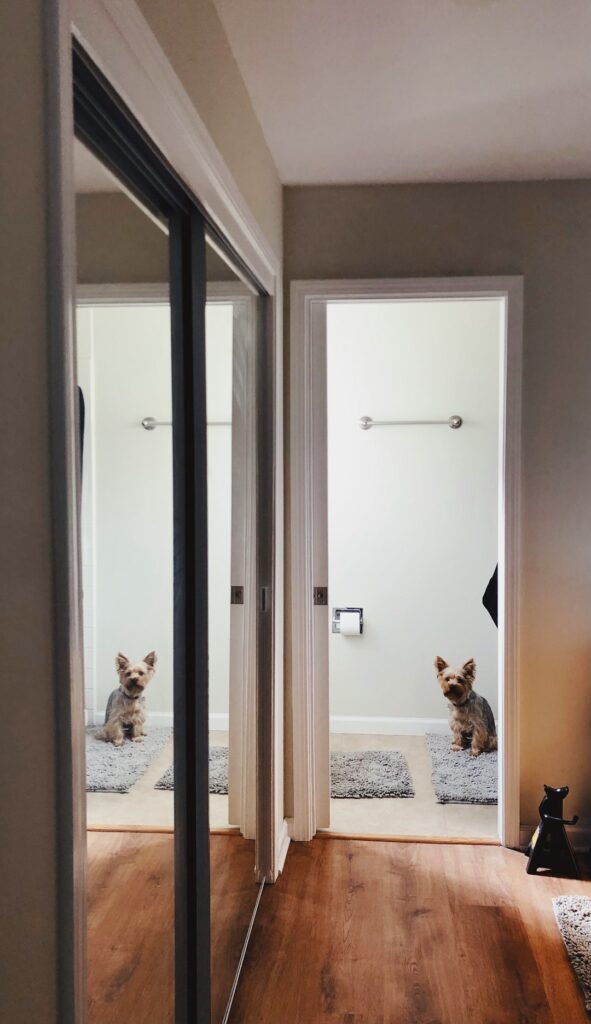
Allowing pets can make a rental property more attractive to a larger range of residents, but it also creates responsibilities involving property condition, safety, noise, sanitation, and lease enforcement. A clear policy usually works better than an informal decision made case by case.
For residents in Detroit, the key question is not simply whether pets are allowed. It is whether the rules are specific, consistently applied, and compatible with housing laws and the realities of the property.
Should a rental property allow pets?
There is no single correct answer. Allowing pets may help reduce vacancy because many households have dogs, cats, or other companion animals. A pet-friendly policy can also give residents more housing choices and reduce the likelihood that someone will conceal an animal.
The tradeoff is additional wear and management responsibility. Common concerns include:
- Scratched flooring, doors, trim, or window screens
- Odors, stains, fleas, and other sanitation problems
- Barking, whining, or complaints from neighbors
- Pet waste in yards, walkways, or shared areas
- Animal-related injuries or property damage
- More difficult inspections or maintenance visits
A property with durable flooring, private outdoor space, and adequate separation between units may be better suited to pets than a building with thin walls, shared entrances, or limited green space.
What should a written pet policy include?
A written policy should explain the rules before the lease is signed. Vague language such as “pets must be approved” can create confusion if it does not describe the approval process or the standards used.
A practical policy may address:
- Which animals are permitted
- The maximum number of animals
- Weight, size, or species limits, if lawful and reasonably related to the property
- Vaccination and licensing requirements
- Leash or restraint rules in common areas
- Waste removal and sanitation
- Noise, nuisance, and aggressive behavior
- Flea or pest treatment
- Damage beyond ordinary wear
- Guest animals and temporary pet-sitting
- Whether a separate pet agreement is required
- What happens if the animal is abandoned, unregistered, or repeatedly causes problems
Rules should be based on property conditions and resident safety, not assumptions about a particular breed or the appearance of an animal. A policy also needs to explain how violations will be documented and addressed under the lease.
Can a landlord charge a pet fee or deposit?
For ordinary household pets, a landlord may generally set reasonable pet-related charges if the lease and applicable law allow them. The amount and purpose should be clearly stated rather than presented as an unexpected charge after move-in.
A policy should distinguish between:
- A refundable security deposit
- A nonrefundable fee
- Monthly pet rent
- Charges for documented damage or cleaning
Michigan security-deposit rules still apply when a deposit is collected. A pet-related charge should not be used as a substitute for following required deposit procedures, itemized deductions, or return deadlines.
Residents should ask what a fee covers and whether it is refundable. Property owners should avoid charging the same cost twice, such as collecting a separate cleaning fee and then deducting ordinary pet cleaning from the security deposit without a documented basis.
Are assistance animals treated as pets?
No. Assistance animals are not treated as ordinary pets under fair housing protections. A resident with a disability may request a reasonable accommodation to keep an assistance animal, including at a property with a no-pets policy.
Depending on the circumstances, an accommodation may involve:
- Allowing an animal that would otherwise be prohibited
- Waiving a pet deposit, pet fee, or pet rent
- Modifying an animal-related rule

If the disability-related need is not obvious, housing providers may request reliable information supporting the disability-related need. They should not demand unnecessary medical details or rely on internet certificates as the sole basis for approval.
An assistance animal must still be house-trained, under control, and cared for properly. A housing provider may respond to a specific animal that creates a direct threat or causes significant property damage when reasonable alternatives cannot resolve the problem. Decisions should be based on documented conduct, not fear, breed stereotypes, or generalizations about size.
Because these requests can involve federal and state fair housing requirements, a questionable case should be handled carefully before a denial, fee, or adverse lease action is taken.
What local conditions matter in Detroit?
Seasonal weather affects pet rules more than many people expect. Winter salt, ice, and freezing temperatures can increase the need for prompt waste removal and safe handling in outdoor areas. Mud, snow, and wet paws can also lead to damaged floors and stained entryways.
Older housing may have materials that require special care. Wood floors, aging porches, narrow stairways, shared hallways, and enclosed yards can each create different concerns. A rule designed for a detached rental home may not work well in a multi-unit building.
The city also has animal-control and animal-keeping requirements that may affect the number, type, licensing, or care of animals at a property. A lease policy cannot override those requirements. Residents should verify that their animals meet applicable local rules, while property owners should avoid writing restrictions that conflict with them.
How can property owners reduce pet-related damage?
Prevention is usually more effective than relying on a large charge after move-out. Before approving an animal, the policy can require basic information such as the animal’s type, approximate age, vaccination status, and responsible caretaker.
The property condition should be documented before move-in with written notes and photographs. This is especially useful for flooring, doors, baseboards, screens, fencing, and landscaping.
Other practical measures include:
- Using durable flooring in high-traffic areas
- Sealing gaps under fences and gates
- Protecting shared entrances from moisture and salt
- Providing clearly defined waste-disposal expectations
- Inspecting for damage during lawful, properly noticed visits
- Requiring prompt reporting of leaks, infestations, or damaged doors
- Addressing repeated complaints consistently rather than waiting until renewal
Residents also have a role. A pet should not be left unattended for long periods if it creates noise or distress, and waste should be removed promptly from both private and shared areas.
Can a landlord refuse a pet?
A landlord may generally prohibit ordinary pets if the policy is lawful, disclosed, and applied consistently. A refusal may be based on legitimate property-related reasons, such as documented safety concerns, unsuitable building conditions, or violation of a stated animal limit.
However, a refusal cannot be used as a way to discriminate against a resident with a disability who needs an assistance animal. It also should not be based on changing standards applied differently to different applicants.
If a resident violates a valid no-pet rule, the response should follow the lease and Michigan’s required notice and eviction procedures. Immediate self-help measures, threats, or lockouts are not a proper substitute for the legal process.
What is the fairest policy?
The most workable approach is often neither “all pets welcome” nor “no animals under any circumstances.” A property-specific policy can allow suitable household pets while setting clear expectations for health, safety, sanitation, noise, and damage.
The policy should be provided before the application or lease is finalized, applied the same way to similarly situated residents, and reviewed whenever laws or local animal requirements change. For residents, reading the pet rules before moving in can prevent disputes over fees, animal limits, outdoor access, and responsibility for repairs.
A well-written policy protects the property without treating every animal as a problem—and protects residents by making expectations understandable from the beginning.