

 See My Latest Article on HelloNation
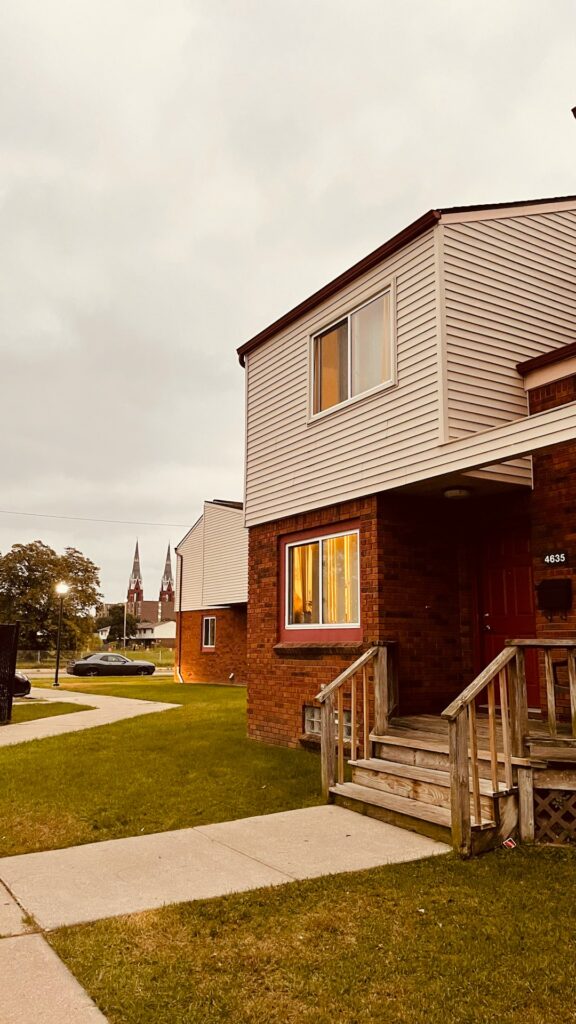
Renting out your Detroit home can be a smart financial move, especially as demand for single-family rentals rises across the city’s vibrant neighborhoods. From Midtown to Corktown and North Rosedale Park, Detroit offers a unique lifestyle for renters—rich in culture, history, and community. But before you hand over the keys, it’s crucial to ensure your property is rental-ready. Proper preparation not only protects your investment but also attracts responsible, long-term tenants. Here’s a step-by-step guide Detroit homeowners can use to prepare their home for renters.
Understand Detroit’s Rental Regulations
- Detroit requires all rental properties to be registered as a rental, and landlords must obtain a Certificate of Compliance through city inspections.
- Familiarize yourself with the Detroit City Code and any local neighborhood association rules.
- Ensure your property meets safety, sanitation, and habitability standards for Detroit.
Conduct a Deep Clean and Declutter
Detroit’s climate brings snowy winters and humid summers, so thorough cleaning is essential to begin each tenancy fresh.
- Clean carpets, flooring, and all surfaces—especially due to tracked-in salt and mud during winter.
- Remove personal belongings, clutter, and anything with sentimental value or that isn’t functional for tenants.
- Purge basements and garages—clutter is a common pain point in older Detroit homes.
Tackle Maintenance and Repairs
Long-term Detroit renters expect a property that’s functional year-round.
- Service your HVAC system—important in both harsh winters and hot, muggy summers.
- Inspect the roof and gutters for leaks, common with snow melts or heavy spring rains.
- Test appliances, electrical outlets, light fixtures, and plumbing for issues.
- Repair windows and doors for smooth operation and weatherproofing (Detroit’s older homes may have original windows needing special attention).
Boost Curb Appeal
Curb appeal plays a big part, especially as Detroit’s neighborhoods revitalize and communities become more walkable.
- Tidy up the lawn and landscaping—mow grass, trim bushes, and remove debris.
- Paint or touch up exterior doors, shutters, or porch railings.
- Make sure sidewalks are clear and safe, as Detroit ordinances require property owners to maintain these areas.
Improve Security
Tenants want to feel safe. Detroit’s neighborhoods vary, but security is always valued.
- Install deadbolts on all exterior doors.
- Make sure all windows lock securely.
- Consider adding outdoor lighting or motion detectors.
- Re-key locks between tenants, as recommended by Detroit’s housing standards.
Ensure Appliances and Utilities Are in Working Order
Detroit renters often seek homes with at least basic appliances in good working order.
- Check the refrigerator, stove, dishwasher, and laundry machines.
- Provide instructions and maintenance guides—Detroiters new to old radiators or unique systems will appreciate it.
- If including utilities, outline terms clearly.
Create a Rental Information Packet
Detroit’s diverse renter base appreciates clear communication.
- List preferred local vendors for repairs, trash collection schedules (varies by neighborhood), and emergency contacts.
- Include information on nearby public transportation—especially valuable in Midtown, Downtown, and New Center areas.
- Highlight local amenities—Detroit is known for its parks, food scene, and art spaces.
Comply with Lead-Based Paint and Safety Requirements
Many Detroit homes were built before 1978 and may have lead-based paint.
- Provide all tenants with the required Lead-Based Paint Disclosure forms.
- Consider professional lead inspection or abatement if renovations are needed.

Professional Photography and Listing
Detroit is a competitive rental market. Quality images can make your property stand out.
- Take bright, high-resolution photos of each room, yard, and key amenities.
- Highlight unique Detroit touches—brickwork, original hardwood, or stained glass windows are sought-after features.
Set a Competitive Rent
Gauge the neighborhood rental rates to attract quality tenants.
- Research similar rentals in your area—rents vary significantly from Indian Village to Grandmont-Rosedale.
- Factor in amenities, home size, and proximity to public transit or downtown Detroit.
Prepare for Showings
When showing the property to prospective tenants:
- Open curtains to maximize natural light—Detroiters love sun-filled rooms, especially in winter.
- Add small touches like fresh flowers or a scent-neutralizing plugin.
- Be prepared to answer questions about the neighborhood, schools, and local events.
Draft a Strong Lease
Your lease should comply with Michigan law and account for details unique to Detroit living.
- Specify move-in and move-out procedures, payment methods, late fees, and pet policies.
- Outline responsibilities for snow removal, lawn maintenance, and refuse—these are often hot topics in Detroit rentals.
- Consider including clauses for historic features or unique aspects of your home.
Final Pre-Move Checklist
Before your tenant arrives, run through this list:
- Double-check smoke and carbon monoxide detectors and provide fire extinguishers as required.
- Label circuit breakers and main water shutoff—important in older properties.
- Confirm keys, garage openers, and codes work smoothly.
Conclusion
Preparing a home for renters in Detroit involves more than a quick cleanup. By understanding local requirements, making strategic upgrades, and tapping into Detroit’s storied lifestyle, you’re setting the stage for a successful rental experience—for you and your future tenants. Taking these steps not only protects your investment but also helps build a stronger neighborhood, something every proud Detroiter can appreciate.