

 See My Latest Article on HelloNation
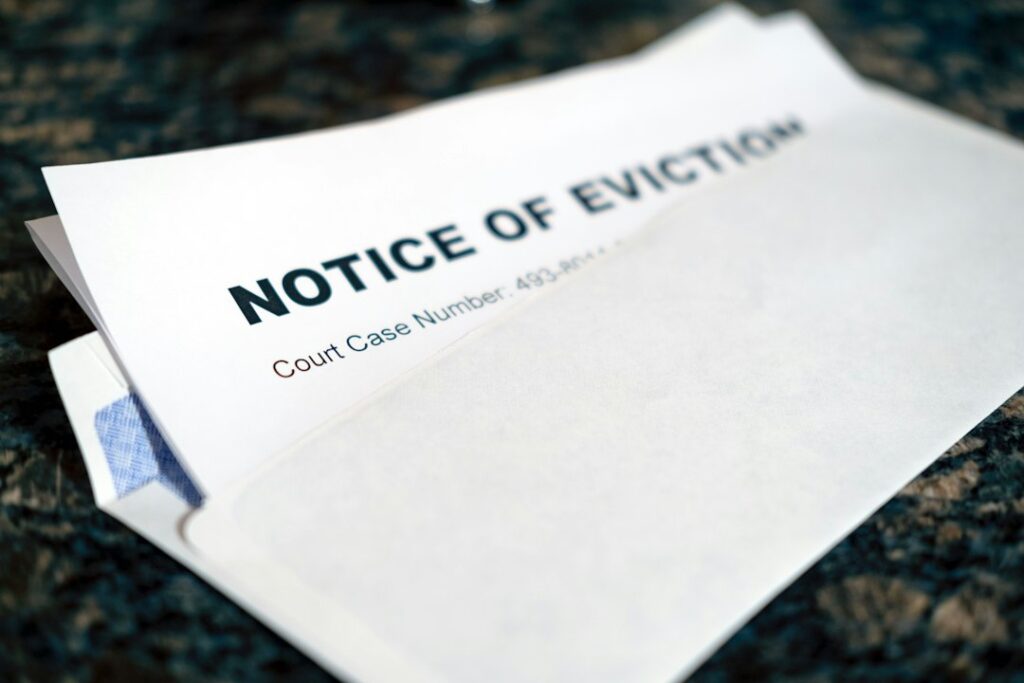
Eviction is a court-controlled process, not a private removal. In Detroit, MI, a landlord generally must have a legally recognized reason, provide the correct written notice, file the proper court case, and obtain a judgment before possession can be recovered.
For residents, understanding the process can help prevent unlawful lockouts, missed deadlines, and avoidable disputes. For housing providers, following each step carefully protects both the property owner’s rights and the tenant’s opportunity to respond.
What counts as a legal eviction?
A legal eviction is a formal summary proceeding handled through the court system. A landlord cannot legally remove a tenant by changing the locks, shutting off utilities, removing belongings, blocking access, or using threats.
Common legal grounds may include:
- Nonpayment of rent
- A lease violation that has not been corrected
- Serious damage to the property
- Illegal activity covered by applicable law
- Expiration or termination of a tenancy
- Certain situations involving unauthorized occupants
The exact rules depend on the lease, the type of tenancy, the reason for possession, and whether special protections apply. A landlord must be able to show a right to possession, while a tenant may raise defenses or counterclaims permitted by law.
What should happen before a court case?
The first formal step is usually a written demand for possession or notice to quit. The notice should identify the reason for the proposed eviction, describe what the tenant must do, and provide the legally required time period.
For many nonpayment cases, Michigan law generally requires at least seven days’ notice to pay the rent due or move out before a court action may begin. A tenancy termination notice may require a different period, often based on the rental payment schedule or the lease terms.
A notice is not the same as an eviction order. It does not authorize a landlord to remove a tenant immediately. It gives the tenant an opportunity to pay, correct a problem when allowed, move voluntarily, or prepare a response.
A fair notice should be:
- Written in clear language
- Accurate about the amount allegedly owed
- Consistent with the lease and payment records
- Delivered using a legally permitted method
- Retained by the landlord with proof of when and how it was served
Tenants should keep the notice, envelope, text messages, emails, receipts, photographs, and other records. A notice with incorrect dates, amounts, names, or service information may create a legal issue.
What happens after the notice period?
If the problem is not resolved, the landlord may file a landlord-tenant case in the appropriate district court. The complaint should include the rental agreement or other occupancy document, copies of required notices, and an explanation of why possession is being requested.
The tenant must receive the summons and complaint. The papers will identify the hearing date, court information, and response rights. Ignoring the case can lead to a default judgment, even if the tenant believes the eviction is unfair.
At the hearing, the court may consider:
- Whether proper notice was given
- Whether the landlord proved the right to possession
- Whether rent was actually unpaid
- Whether the tenant corrected an alleged violation
- Whether the property’s condition affects the dispute
- Whether retaliation, discrimination, or another legal defense is involved
- Whether money claims should be considered separately from possession

Both sides should bring organized evidence. Useful records may include the lease, rent ledger, bank statements, payment confirmations, repair requests, inspection photographs, messages, witness information, and notices.
Can a landlord lock out a tenant without a court order?
Generally, no. A landlord must not use “self-help” eviction tactics. This includes changing locks, disconnecting heat or electricity, removing doors, placing belongings outside, or preventing the tenant from entering.
These actions can be especially dangerous during Detroit’s cold-weather months, when loss of heat or water may create serious health and property risks. Older housing can also have plumbing, electrical, or heating problems that require prompt attention rather than pressure to leave.
If a tenant is locked out or utilities are intentionally shut off, the tenant should preserve evidence and seek immediate legal assistance or emergency help when safety is at risk. A landlord who believes a tenant has abandoned the unit should also follow applicable legal procedures rather than assuming abandonment.
What protections apply to tenants?
Eviction cannot be used to punish a tenant for exercising a legal right. For example, a landlord may face a retaliation issue if an eviction is initiated soon after a tenant made a good-faith complaint about serious property conditions or contacted a government agency about housing problems.
Housing discrimination is also unlawful. A landlord cannot select tenants for eviction because of a protected characteristic, apply rules selectively, or treat a household differently because it has a disability, children, or another legally protected status.
Tenants with disabilities may have rights involving reasonable accommodations. Examples might include a request related to communication, payment administration, or a disability-related condition. The specific facts matter, and an accommodation request does not automatically excuse unpaid rent or other lease violations.
Some households may also have additional protections based on federally assisted housing, domestic violence circumstances, military status, rental assistance, or other special programs. Those protections should be reviewed before signing an agreement or appearing in court.
What if the tenant pays after receiving a notice?
Payment can affect an eviction case, but the result depends on the facts. Tenants should not assume that making a partial payment automatically ends the case. They should obtain a written receipt and ask how the payment affects the claimed balance and any court filing.
Landlords should keep a precise ledger showing rent charged, payments received, fees assessed, credits, assistance payments, and the remaining balance. Accepting money without documenting its purpose can create confusion about whether a tenancy was reinstated or whether an alleged default was cured.
Clear records are particularly important when rental assistance applications, delayed benefit payments, or payment plans are involved.
What happens after a judgment for possession?
A judgment does not always mean the tenant must leave immediately. The judgment will state the time allowed before the landlord may request an order of eviction. Michigan court procedures generally require a possession period of at least ten days after judgment, unless a legally permitted exception applies.
Only an authorized court officer or other officer identified in the order may carry out the physical eviction. The landlord cannot personally remove the tenant or belongings based only on the judgment.
Tenants should read the judgment carefully, attend any scheduled proceedings, and ask the court about payment, appeal, stay, or motion deadlines. Landlords should not treat a judgment as permission to skip the order-of-eviction process.
How can both sides make the process fairer?
A fair process begins before a court filing. Landlords can reduce disputes by maintaining habitable conditions, responding to repair concerns, providing accurate account statements, and offering a realistic opportunity to resolve correctable problems.
Tenants can reduce risk by paying through traceable methods, reporting repairs in writing, responding promptly to notices, keeping copies of all documents, and appearing at every court date.
Local residents facing eviction-related questions may also use the City of Detroit Housing Resource HelpLine for information about eviction prevention, housing complaints, relocation assistance, and legal-service referrals. Court forms and procedures can change, so current instructions from the Michigan court system should be reviewed for any active case.