

 See My Latest Article on HelloNation
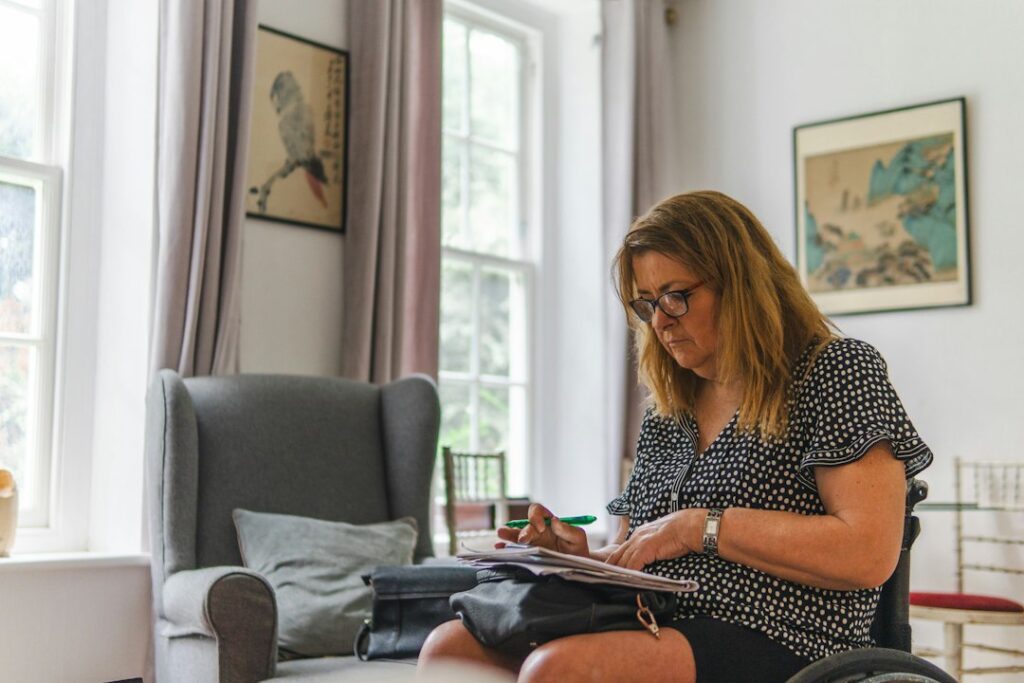
Fair housing laws help ensure that people can rent, buy, or enjoy a home without being treated unfairly because of personal characteristics protected by law. For renters, the rules apply to advertising, applications, screening, lease terms, maintenance, renewals, evictions, and access to housing-related services.
The federal Fair Housing Act establishes a national baseline. Michigan law provides additional protections, including protections involving source of income, height, weight, marital status, sexual orientation, and gender identity or expression. ([michigan.gov](https://www.michigan.gov/mshda/fairhousing?utm_source=openai))
What do fair housing laws prohibit?
Fair housing laws prohibit discrimination in housing transactions and housing-related services. A landlord, property manager, seller, lender, or housing provider generally may not treat someone differently because of a protected characteristic.
Under federal law, protected classes include:
- Race
- Color
- National origin
- Religion
- Sex
- Familial status
- Disability
Michigan law adds or separately recognizes protections involving age, gender identity or expression, sexual orientation, height, weight, marital status, and source of income in rental housing. ([michigan.gov](https://www.michigan.gov/mshda/fairhousing?utm_source=openai))
“Familial status” generally protects households with children under 18, pregnant individuals, and people securing legal custody of children. A landlord cannot reject an otherwise qualified household simply because children will live in the home.
There are limited exceptions in certain types of housing, such as some senior housing programs. Those exceptions are specific and do not create a general right to exclude families with children.
Does fair housing apply to rental applications and screening?
Yes. Fair housing requirements apply before a lease is signed, not just after a tenant moves in.
A housing provider may establish neutral screening standards, such as income requirements, rental history standards, credit criteria, or occupancy limits. Those standards should be applied consistently to all applicants and should not be used as a pretext for discrimination.
Potential warning signs include:
- Telling an applicant that a unit is unavailable when it is still available
- Applying stricter income, credit, or documentation requirements to one applicant
- Asking questions about pregnancy, plans to have children, religion, or disability
- Steering applicants toward or away from particular neighborhoods
- Advertising a preference for or against a protected group
- Refusing to process an application because the applicant uses rental assistance
A policy can create fair housing concerns even if discriminatory language is not used. For example, a screening rule that excludes a protected group may require careful review to determine whether it is necessary, consistently applied, and supported by a legitimate housing-related purpose.
Can a landlord refuse housing because of a renter’s source of income?
Generally, Michigan landlords with five or more rental units may not discriminate against an otherwise eligible applicant because of the applicant’s lawful source of income. This protection includes income from housing vouchers, public assistance, veterans’ benefits, Social Security, retirement programs, emergency rental assistance, and similar lawful sources. The relevant state protections took effect April 2, 2025. ([courts.michigan.gov](https://www.courts.michigan.gov/499677/siteassets/publications/benchbooks/lltbb/lltbbresponsivehtml5.zip/LLTBB/Ch_5_Defenses/Fair_Housing_Act_and_Civil_Rights_Violations.htm?utm_source=openai))
A housing provider generally may not:
- Reject an applicant solely because the applicant uses a voucher
- Refuse to show an available unit for that reason
- Charge different fees or impose different rental terms
- Exclude voucher or subsidy amounts when calculating whether an income threshold is met
- Advertise that a particular source of income is not accepted
This does not mean every applicant must be approved. Neutral requirements may still apply, but the same standards should be used for applicants regardless of how lawful income is received. Michigan law includes a limited exception for landlords with five or fewer rental units. ([michigan.gov](https://www.michigan.gov/mshda/fairhousing?utm_source=openai))

What protections apply to renters with disabilities?
Fair housing laws protect people with physical or mental disabilities and may require reasonable accommodations or modifications.
A reasonable accommodation is a change to a rule, policy, practice, or service that may be necessary for a person with a disability to use and enjoy housing. Examples may include:
- Allowing an assistance animal despite a no-pets policy
- Providing an accessible parking arrangement
- Adjusting a communication method
- Permitting a support person to assist with housing-related matters
- Allowing a transfer to a more accessible unit when appropriate
An assistance animal is not treated as an ordinary pet under fair housing law. It may provide disability-related assistance, perform tasks, or provide emotional support connected to a disability. A housing provider may request reliable disability-related information when the disability or need is not apparent, but cannot automatically deny a proper request simply because the property has a no-pets rule. ([hud.gov](https://www.hud.gov/helping-americans/assistance-animals?utm_source=openai))
A reasonable modification is a physical change to a dwelling or common area, such as installing grab bars or a ramp. Responsibility for costs and restoration can depend on the circumstances, the type of housing, and applicable law. Written requests and responses can help prevent misunderstandings.
Are different rules allowed for children or families?
Occupancy and safety rules are allowed, but they must be reasonable and applied without targeting families with children.
For example, a property may establish an occupancy standard based on the size and layout of a unit. A blanket rule stating that children cannot live in a building may violate familial-status protections unless a specific senior-housing exemption applies.
Rules involving common areas, noise, balconies, pools, or seasonal maintenance should be based on legitimate safety or property concerns—not assumptions that families with children are disruptive or careless.
In a dense rental community, including older buildings with shared entrances, stairs, and limited parking, clear neutral rules are especially useful. The same written standards should apply to comparable households.
What are steering, retaliation, and harassment?
Steering occurs when a housing provider guides people toward or away from housing because of race, national origin, disability, familial status, or another protected characteristic. Statements such as “you may feel more comfortable in another area” can raise concerns when they are based on assumptions about a person’s identity.
Harassment may include repeated slurs, threats, intimidation, or unwelcome conduct tied to a protected characteristic. Housing providers can also face responsibility when they know about serious tenant-on-tenant harassment and fail to respond appropriately.
Retaliation is prohibited. A landlord or property manager generally may not punish, threaten, refuse to renew, increase difficulty, or otherwise retaliate against someone for reporting discrimination, requesting a reasonable accommodation, participating in an investigation, or supporting another person’s complaint. ([michigan.gov](https://www.michigan.gov/mshda/fairhousing?utm_source=openai))
What should a renter do if discrimination is suspected?
Start by preserving information. Save advertisements, applications, emails, text messages, notices, screening instructions, and records of conversations. Write down dates, names, what was said, and who was present.
A single negative rental decision is not automatically discrimination. Housing providers may deny applications for lawful, consistently applied reasons. The concern becomes stronger when different applicants are treated differently, explanations change, protected characteristics are mentioned, or the stated policy does not match actual practice.
Residents can seek information or file a housing discrimination complaint through the Michigan Department of Civil Rights or the U.S. Department of Housing and Urban Development. Michigan’s fair housing resources list a statewide hotline at 1-800-482-3604. ([michigan.gov](https://www.michigan.gov/mshda/fairhousing?utm_source=openai))
For everyday property management, the core principles are straightforward: use consistent written standards, communicate respectfully, protect private information, respond to accommodation requests, and evaluate applicants and residents based on relevant housing criteria rather than assumptions about who they are.