

 See My Latest Article on HelloNation
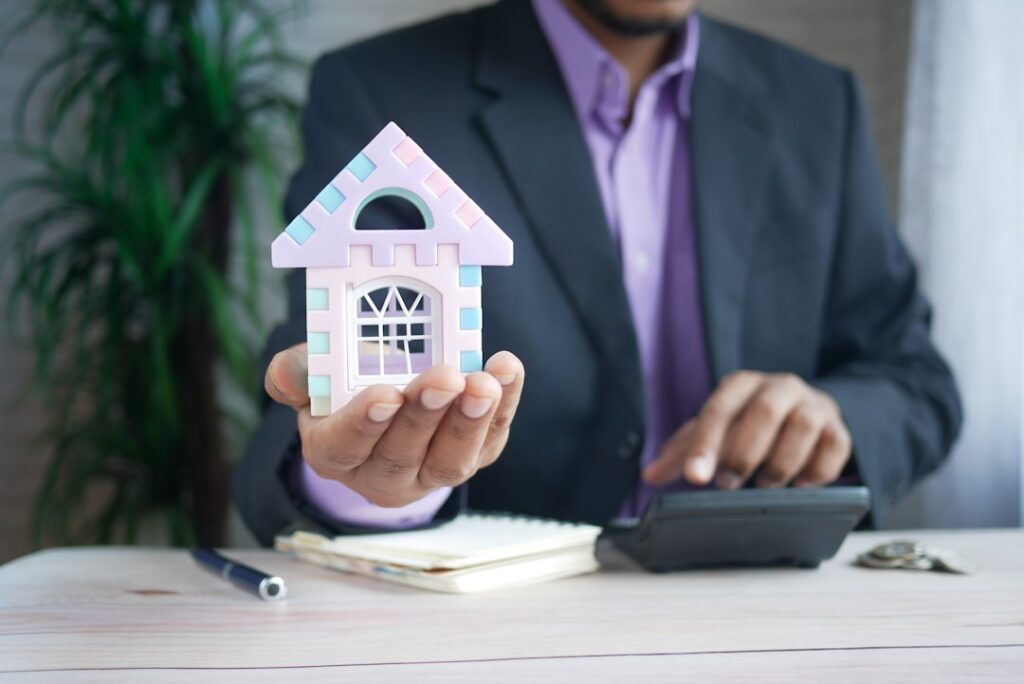
What Types of Digital Tools Do Property Managers Commonly Use?
Property management has shifted rapidly toward digital solutions, especially in climate-affected and high-maintenance housing markets like Detroit, MI. Managers in the community often rely on a range of apps and platforms to simplify routine tasks, communicate effectively with residents, and respond quickly to weather events or maintenance needs.
Common categories of apps and tools used by managers include:
- Maintenance tracking and request systems
- Rent collection platforms
- Communication portals
- Accounting and financial management software
- Inspection and documentation tools
By using these resources, local property managers can handle higher tenant volume, stay on top of recurring repairs (such as those related to seasonal freeze-thaw cycles), and streamline compliance with municipal housing codes.
How Do Maintenance Request Apps Improve Response Times?
Maintenance request platforms allow residents to submit repair issues digitally, providing accurate records with photos and details. In Detroit, these systems address common challenges that arise from aging housing stock and changing weather.
- Residents can file maintenance requests at any hour, with clear descriptions and attached photos.
- Property managers receive notifications immediately, making it easier to prioritize critical issues (such as burst pipes during winter).
- Maintenance histories are organized for each unit, helping track recurring problems throughout freeze-thaw and rainy seasons.
- Digital logs provide transparency for both residents and managers, reducing misunderstandings and delays.
Some platforms also offer direct integration with vendor scheduling, which is helpful for properties that experience frequent HVAC, plumbing, or electrical issues due to local climate conditions.
What Features Matter Most in Rent Collection Apps for Detroit Residents?
Rent collection tools help both tenants and property managers by offering flexible, secure ways to pay and receive funds. In the city’s diverse rental markets, key features that support smooth rent transactions include:
- Multiple payment methods: Residents appreciate options to pay by card, bank transfer, or even cash at local payment points.
- Automated reminders: These help reduce late payments, especially around busy periods like back-to-school or major local events.
- Records and receipts: Detailed transaction histories ensure transparency, which is useful if rental assistance programs or proof of payment are needed.
- Rent splitting: Some apps allow roommates or household members to pay separately, which matches Detroit’s common multi-tenant living arrangements.
Security is also a major concern. Reliable rent platforms use advanced encryption and comply with all relevant financial regulations to protect sensitive information.
Can Communication Platforms Help Build Trust Between Residents and Managers?
A dedicated communication portal can ease misunderstandings and foster smoother interactions in multi-unit properties or large apartment buildings. In Detroit, where property managers may be responsible for scattered sites across numerous neighborhoods, these tools are especially valuable.
Effective features often include:
- Message archives, so prior conversations about repairs, neighborhood alerts, or renovations can be quickly found
- Direct messaging, reducing confusion about how to reach maintenance staff or managers
- Group notices for building-wide updates (such as snow removal schedules or emergency repairs during heavy rains)
Clear digital communication is crucial for properties in areas experiencing infrastructure updates or seasonal disruptions, giving all parties peace of mind and reducing disputes.
What Are the Benefits of Digital Inspection and Documentation Tools?
Digital inspection apps allow property managers to record site conditions, unit turnovers, and repair needs using photos, checklists, and timestamps. For Detroit’s numerous older structures and duplexes, documenting property condition is vital for transparency and tracking.
Benefits include:
- Permanent, organized records of move-in/move-out conditions, which reduce deposit disputes
- Quick comparisons over time to identify recurring issues like water intrusion or exterior damage
- Ability to share inspection summaries with residents, encouraging a sense of fairness and trust

These tools are particularly useful for properties subjected to regular inspections by local housing authorities, as they ensure all required documentation is securely stored and easily accessible.
How Do Local Regulations Shape Platform Choices?
Property managers operating in Detroit must comply with local housing standards, privacy laws, and tenant protections. Apps used for payment, communication, and documentation should:
- Meet municipal requirements for recordkeeping and resident notification timelines
- Protect resident privacy, especially when storing sensitive financial or personal information
- Adapt to rules around late fees, eviction notices, and security deposit handling
Digital platforms that allow for city-specific customization can help managers stay aligned with local requirements, avoiding compliance issues that might otherwise impact residents.
What’s Often Overlooked When Choosing Property Management Tech?
While digital solutions offer convenience, it is easy to overlook factors such as accessibility and tech literacy among residents. Some community members may have limited access to smartphones or internet service, especially seniors or lower-income tenants common in several neighborhoods.
Considerations property managers should weigh:
- Platforms that offer phone, paper, or in-person alternatives for those without reliable digital access
- Multilingual support for residents from diverse backgrounds
- Clear, easy-to-understand interfaces to avoid confusion
Encouraging feedback from residents on their experiences with these systems helps managers choose and refine the right mix of tools for their properties.
What Are Common Misconceptions About Digital Property Management?
A frequent misconception is that digital platforms can fully automate all management responsibilities. In reality, technology should complement—not replace—human judgment, local know-how, and personal interaction.
For example:
- Automated maintenance systems can triage requests, but local managers must assess urgent repairs in person, especially following storms or severe cold snaps.
- Rent platforms cannot resolve underlying disputes over housing conditions or payment hardships; prompt, empathetic communication remains essential.
- Digital inspections streamline recordkeeping, but relationships and trust are still built through transparent, in-person walkthroughs.
Technology enables greater efficiency, but effective property management in Detroit still relies on understanding the unique needs of the community, adapting to local infrastructure, and remaining accessible to all residents.