

 See My Latest Article on HelloNation
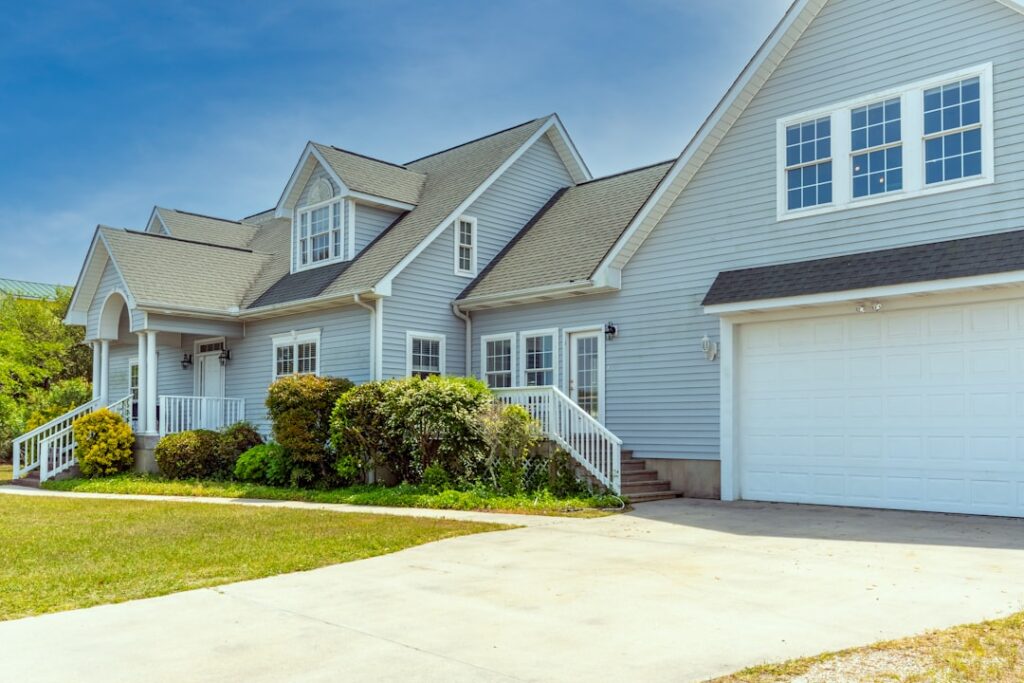
What Does Seasonal Maintenance Involve for Rental Properties?
Seasonal maintenance means completing a set of upkeep tasks at specific times throughout the year to keep rental properties in safe, functional condition. For residents and property managers in Detroit, paying attention to these routines helps protect buildings from the region’s temperature extremes, moisture, and seasonal weather shifts. This approach also helps avoid costly repairs by catching small issues before they become major problems.
Why Is Seasonal Maintenance Especially Important in Detroit, MI?
Detroit's climate features humid summers, snowy winters, and frequent freeze-thaw cycles, all of which can stress building materials. The age and style of the city’s housing stock—often older single-family homes or duplexes—make preventive care crucial. Overlooking regular maintenance tasks can lead to water intrusion, heating failures, pest infestations, or safety hazards that especially impact multi-unit and older properties common in the area.
Which Tasks Should Be Done in Spring?
Spring is the time to inspect and repair after winter weather, with a focus on water, roofs, and exteriors.
- Clear gutters and downspouts of debris built up from fall and winter, ensuring water flows away from foundations.
- Check the roof for missing shingles, leaks, or winter ice damage.
- Look for signs of basement moisture or foundation cracks caused by freeze-thaw cycles.
- Test sump pumps to avoid early-season basement flooding.
- Prune trees and shrubs to prevent branches from scraping siding or blocking walkways.
- Replace HVAC filters and test air conditioning ahead of summer heat.
Ignoring these tasks can lead to foundation shifts, flooded basements, and costly roof repairs. Residents sometimes overlook gutter cleaning, underestimating how quickly leaves and debris can cause water damage by spring.
What Should Be Checked in the Summer?
Summer in the city often brings humidity and occasional storms, making cooling and ventilation priorities.
- Inspect window screens for rips and repair to keep insects out, especially in older homes with original windows.
- Monitor for evidence of pest activity, including ants and wasps, in secluded areas or around the exterior.
- Test carbon monoxide and smoke detectors, as high temperatures can cause batteries to fail.
- Ensure outdoor water spigots, hoses, and sprinkler systems function, and look for leaks that could drive up water bills.
- Walk the property to check sidewalks and steps for trip hazards that may have settled or heaved since the ground thawed.
Many residents don’t realize summer is a key season to look for both ventilation problems and burgeoning pest issues, especially as older buildings may lack modern insulation and sealing.
How Does Fall Maintenance Prepare a Property for Winter?
Fall maintenance in Detroit centers on preparing homes for cold, snow, and wind. This is the best window to prevent winter emergencies.
- Service heating systems—have boilers, furnaces, or radiators inspected for safe operation.
- Drain and store outdoor hoses, and turn off exterior water lines to prevent pipe bursts.
- Weatherstrip doors and windows to reduce drafts and control heating bills.
- Rake and remove leaves from lawns and catch basins to prevent ice formation and drainage problems.
- Check walkways and railings to ensure they are sturdy and can be safely cleared of ice and snow.
Many skip weatherproofing steps, but small leaks or gaps can drive up heating costs significantly during cold snaps.
What Winter Upkeep Is Needed for Rentals?

Winter demands extra vigilance due to heavy snowfall, freezing temperatures, and shorter daylight hours.
- Clear snow and ice promptly from sidewalks, stairs, and entryways to comply with local ordinances and reduce slip risks.
- Check the roof after heavy snow for ice dams and remove excess accumulation to avoid water leaks.
- Verify all exterior lights are working for nighttime safety.
- Periodically check units for signs of frozen pipes—tenants may not report issues until pipes burst.
- Ensure that exhaust vents for dryers, furnaces, and stoves remain clear of snow and ice.
Frozen pipes are a common, preventable emergency in older homes, often caused by uninsulated areas or long-standing drafts.
What Are Common Maintenance Myths for Area Rentals?
Misconceptions can lead to skipped steps or wasted effort:
- "Older homes don’t need modern HVAC checks" — In reality, even radiators or boilers need regular inspections.
- "Gutters only matter in the fall" — Spring cleaning is just as crucial due to winter debris.
- "Basements only flood during storms" — In Detroit, melting snow or failed sump pumps can cause issues even in dry spells.
Understanding these facts can help residents avoid unexpected repairs or loss of property use.
Who Is Responsible for These Tasks in a Rental?
Responsibility depends on lease agreements, but essentials like heating, plumbing, electrical systems, and major structural elements are usually the landlord’s duty under local regulations. Tenants are often responsible for basic cleanliness, reporting problems, and sometimes yard upkeep. Both parties benefit from understanding maintenance expectations laid out at the beginning of a lease.
Local rental ordinances may specify timelines for snow removal, heating system repairs, and pest management; failure to comply can result in fines or increased liability.
How Can Residents Stay on Top of Seasonal Care?
Regular checklists, calendar reminders, and seasonal walk-throughs help capture issues early. In multi-unit properties, building-wide notices or seasonal tip sheets can foster cooperation. Photos of completed maintenance or inspection logs can also document compliance for lease or legal purposes.
Neglecting seasonal tasks increases the risk of major repairs but regular attention keeps properties safer, more comfortable, and better protected against Detroit’s climate.